
Tattoo & Piercing Aftercare
Why Aftercare Matters
Proper aftercare is the difference between a tattoo that heals beautifully and one that fades, scars, or gets infected. Your artist puts in hours of work — protect that investment by following these steps during the critical healing window.
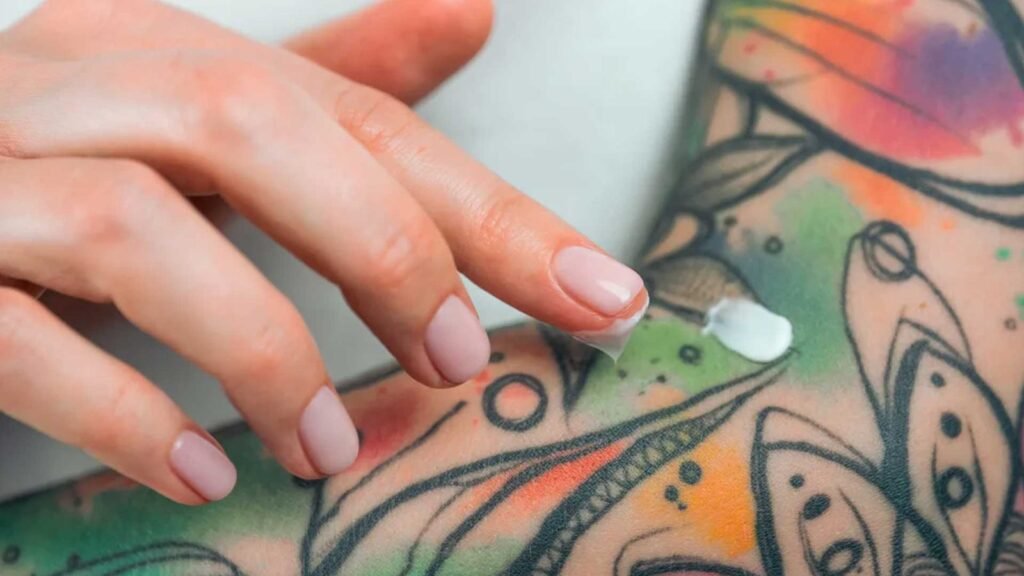
Traditional Tattoo Aftercare
The first 24 hours set the foundation. When you leave the studio, your fresh tattoo is covered with a bandage or plastic wrap. Leave it on for 2 to 4 hours to protect the area from bacteria and to let the plasma and ink settle into the skin.
Step 1 — Remove & Clean: Wash your hands thoroughly, then gently remove the bandage. Clean the tattoo with lukewarm water and a fragrance-free, antibacterial soap. Pat dry with a clean paper towel — never rub.
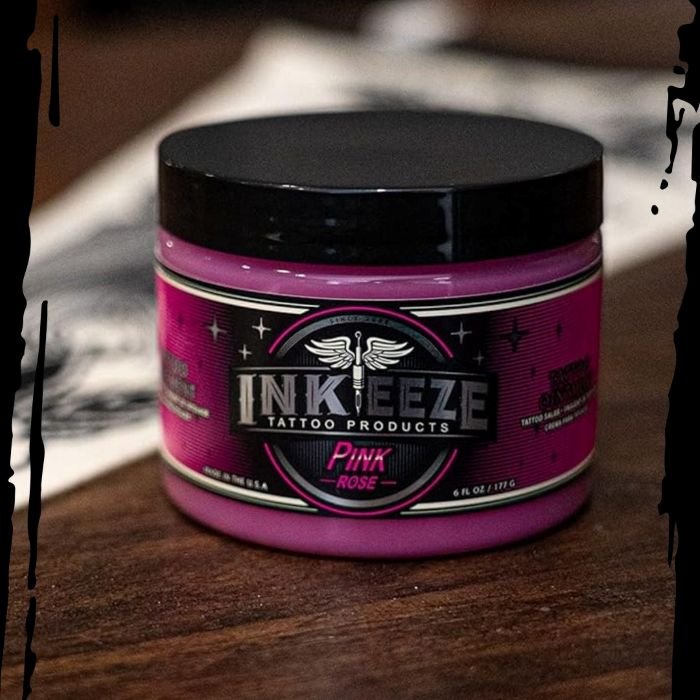
Step 2 — Moisturize: Apply a very thin layer of aftercare ointment (like Aquaphor) or a tattoo-specific balm. Less is more — your skin needs to breathe.
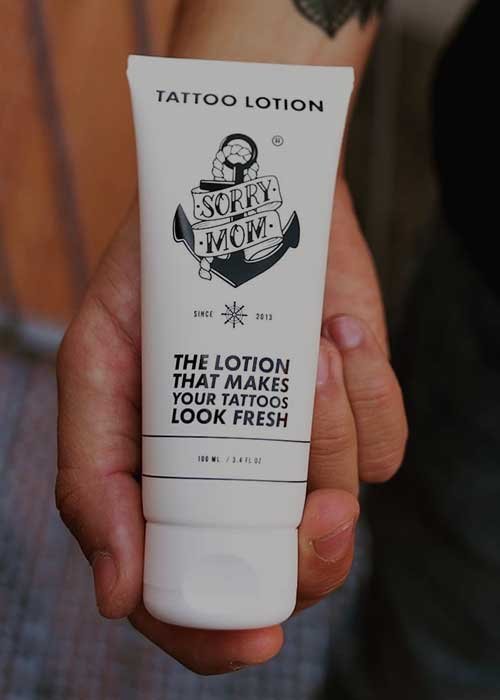
Step 3 — Repeat: Wash and moisturize 2 to 3 times daily for the first 3 to 5 days. Switch to a light, fragrance-free lotion after the first week.
What to avoid: No swimming, baths, hot tubs, or direct sunlight for at least 2 weeks. No scratching or picking at scabs or peeling skin. Avoid tight clothing over the tattooed area. Healing takes 2 to 4 weeks on the surface and up to 3 months for deeper layers.
Tattoo Aftercare with Wraps
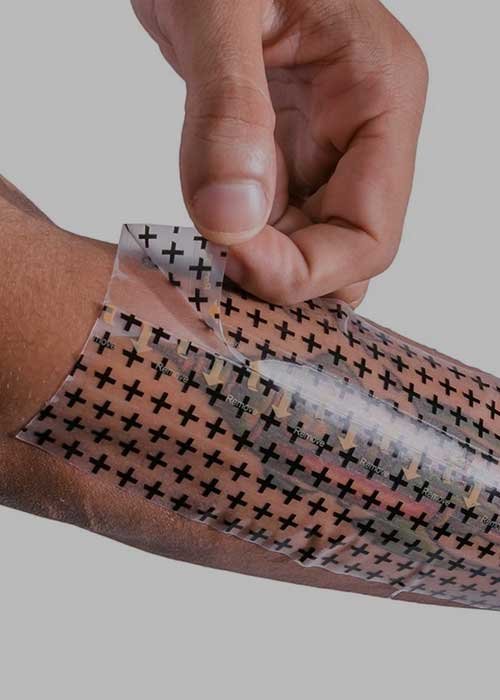
Saniderm, Tegaderm, and second-skin wraps let your tattoo breathe while keeping bacteria out. They’re a modern alternative to traditional bandaging — and they’re popular at our Davie studio for a reason.
Step 1 — Leave it on: Keep the wrap on for 12 to 24 hours, exactly as your artist instructed. You can shower with it on — just avoid direct water pressure and hot steam.
Step 2 — Remove carefully: Peel the wrap off slowly under warm running water to loosen the adhesive. Pulling it off dry can damage healing skin.
Step 3 — Clean and inspect: Gently wash the tattoo with mild soap and water. You may see plasma, ink, and blood trapped under the wrap — that’s normal. Pat dry with a clean paper towel.
Step 4 — Optional second wrap: If your artist recommended it, apply a fresh wrap for another 12 to 24 hours. After the final wrap, switch to traditional aftercare (clean + moisturize routine).
Watch for trouble: Some weeping and redness is normal. Contact us or a doctor if you notice excessive swelling, hot-to-touch skin, colored discharge, or red streaking — these can signal infection.
Piercings Aftercare
Your daily routine is the foundation of healthy healing. A new piercing is an open wound, and consistent, gentle care is what determines whether it heals cleanly or becomes irritated. The following guidelines are based on the Association of Professional Piercers (APP) and the American Academy of Dermatology.
Your Daily Cleaning Routine
Step 2 — Cleanse with sterile saline. Use a packaged sterile saline labeled for wound care. The label should list 0.9% sodium chloride as the only active ingredient (purified water may also be listed). Spray on the piercing once or twice a day — more is not better. Over-cleaning actually delays healing.
Step 4 — Dry gently. Pat dry with clean, disposable paper products such as gauze or paper towels. Cloth towels harbor bacteria and can snag on jewelry, so avoid them.
What to Avoid
Harsh chemicals: Never use alcohol, hydrogen peroxide, Betadine, Hibiclens, antibacterial soap, iodine, Bactine, or any product containing Benzalkonium Chloride (BZK). These damage healing cells and prolong recovery.
Ointments: Petroleum jelly, antibiotic ointments, and heavy creams are occlusive — they seal the area and prevent the oxygen flow piercings need to heal. If a topical product is needed, ask your piercer for a water-soluble gel.
Submersion: No swimming pools, hot tubs, lakes, rivers, or oceans until fully healed. If you must submerge, cover the piercing with a waterproof transparent film dressing (available at pharmacies). Showers are fine and even helpful.
Beauty products: Keep makeup, lotions, perfumes, hairspray, and sunscreen away from a healing piercing. These clog the fistula and can introduce bacteria.
What’s Normal vs. What’s Not
Not normal — see a doctor: The area is hot to the touch, increasingly red, swollen, or painful after the first week; green, yellow, or foul-smelling discharge; red streaking spreading from the piercing; or fever and feeling generally unwell. If infection is suspected, do not remove the jewelry — closing the channel can trap the infection and cause an abscess. Leave quality jewelry in place and see a medical professional.
Healing Times by Piercing Type
Warning Signs & Troubleshooting
Most piercing problems come from inappropriate aftercare or jewelry — not from the piercing itself. Use this guide to know what’s normal and when to seek help.